Currently, the Russian Federation is implementing an overtly chauvinistic and racist state policy against Azerbaijanis, Uzbeks, Kyrgyz, Turkmens, and other non-Slavic ethnic groups. If Russia today is unhesitant in waging a brutal war against Ukraine—a Slavic nation with a similar language and religion—then it should come as no surprise that it exhibits even more ruthless behavior toward non-Slavic peoples. This is the ideological continuation of imperial reflexes and Russian chauvinism.
Historically, the Russian Empire employed various methods to maintain control over its subject peoples. During the Soviet era, repression, deportation, and the violation of minority rights were commonplace. Today, repression takes on a new form—systematic violence through law enforcement agencies.
Ethnic, religious, and racial discrimination is the new, harsher, and more overt manifestation of Russian imperial policy. Law enforcement bodies play a particularly zealous role in implementing this policy.
A term recently introduced into the Russian legal system—“ethnic criminality”—is essentially aimed at creating a legal pretext for portraying non-Russian peoples as inherently guilty. It is a political tool used to categorize citizens as criminals based solely on their ethnicity.
International human rights institutions are also alarmed by this situation. In its Concluding Observations on Russia, adopted in June 2023, the UN Committee on the Elimination of Racial Discrimination (CERD) stated clearly: “Racially motivated violence continues to be committed by law enforcement officers targeting members of vulnerable groups, particularly migrants from Central Asia and the Caucasus, as well as people of African descent.”
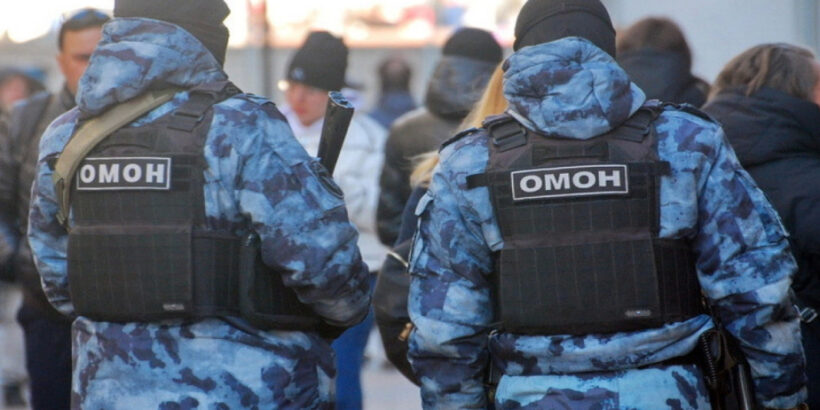
Recent incidents, including crimes committed against Azerbaijanis in Yekaterinburg, have once again demonstrated that law enforcement agencies in Russia employ force on ethnic grounds. The brutality exhibited by OMON and police forces today even surpasses the actions of the radical “skinhead” movement of the 1990s. Back then, such roles were carried out by extremist groups—now, they are performed by the state’s own security structures.
Even during Stalin’s rule, repression was carried out under certain “procedures”—people were sent to camps based on court rulings, however formal. Today in Russia, people are beaten, tortured, and abused in the streets, in their homes, and in public spaces—with total impunity.
Historically, Russia has never accepted Azerbaijan’s sovereignty. From the January 20 tragedy to the Khojaly genocide, from the occupation of Azerbaijani lands to their 30-year illegal retention, Moscow’s backing has been evident. Russia’s pressure on Azerbaijan’s strategic decisions, cyberattacks on information infrastructure, violations of Azerbaijani citizens’ rights on Russian territory, and the denial of entry to Azerbaijani MPs all illustrate the continuity of this policy. Most recently, the Russian Federation has even begun to damage diplomatic relations by barring Azerbaijani parliamentarians from entry.
This is no longer an internal matter. Ethnic crimes perpetrated by Russian state agencies must be brought to the attention of the UN and other international bodies and be evaluated within the framework of international law. If this culture of impunity continues, it may lead to far greater humanitarian disasters in the region.